

Education
Malawi Hails Smooth and Credible 2026 MSCE Examinations as Government Champions Technical Education and Skills Development


By Burnett Munthali
The Malawi Government has hailed the successful conclusion of the 2026 Malawi School Certificate of Education (MSCE) examinations, describing the exercise as one of the smoothest and most credible examination sessions conducted in recent years.
The assessment follows weeks of nationwide examinations that education authorities say were administered without major disruptions, marking a significant achievement for the country’s education system.
Minister of Education, Science and Technology Bright Msaka made the remarks on Friday during the official closing ceremony of the examinations held at Bwaila Secondary School in Lilongwe.
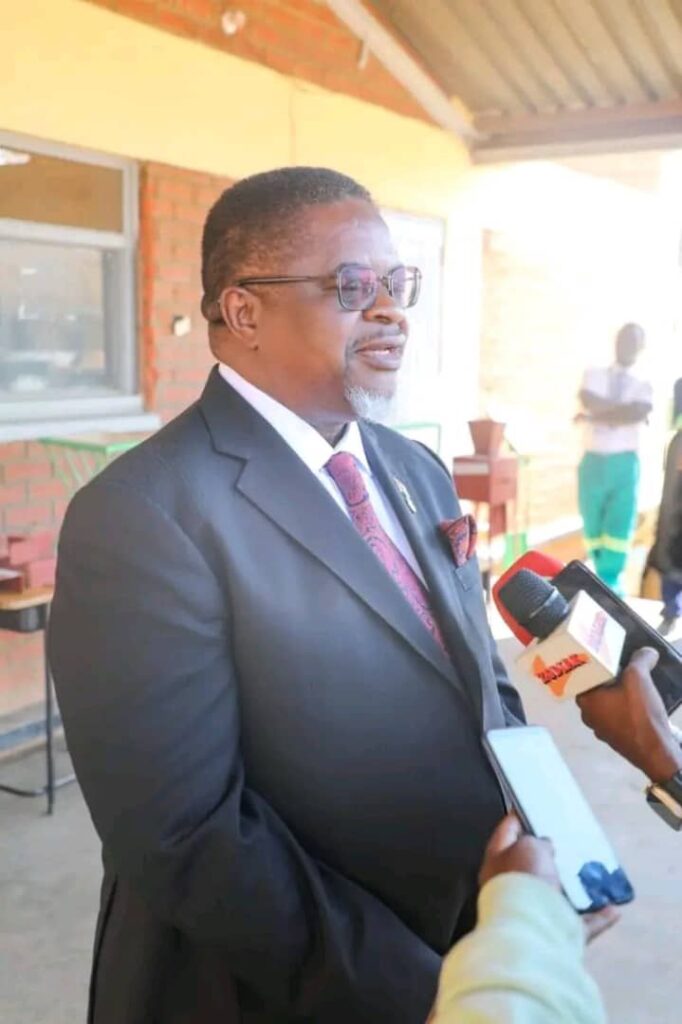
The minister praised all stakeholders involved in the administration of the examinations, saying the process reflected improved planning, stronger coordination and effective management throughout the examination period.
The 2026 MSCE examinations officially commenced on June 29 and concluded successfully after candidates across Malawi completed their written and practical assessments.
According to Msaka, the successful administration of the MSCE examinations followed equally smooth examination sessions for the Junior Certificate of Education (JCE) and the Primary School Leaving Certificate of Education (PSLCE).
He noted that while the MSCE examinations have historically experienced logistical and administrative challenges, this year’s examinations proceeded without significant incidents.
Msaka described the successful completion of the examinations as a milestone that demonstrates the government’s commitment to strengthening the integrity of Malawi’s national examination system.
He expressed satisfaction that education authorities had managed to deliver what he described as highly credible examinations that inspire public confidence in the country’s education standards.
The minister observed that maintaining the credibility of national examinations is essential for preserving the value of academic qualifications and ensuring fairness for all candidates.
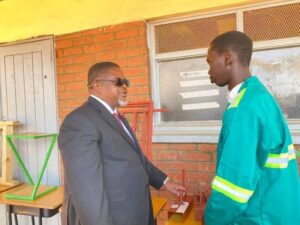
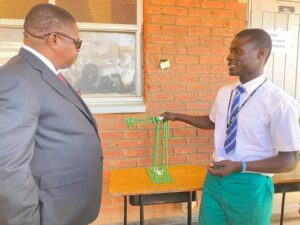
During his visit to Bwaila Secondary School, Msaka also toured exhibitions displaying practical projects produced by students sitting technical subject examinations.
The exhibitions featured practical work in disciplines such as woodwork and metalwork, highlighting the technical skills acquired by learners during their studies.
The minister commended the quality of the projects and praised candidates for demonstrating creativity, innovation and practical competence.
He said the exhibitions reflected the growing importance of technical education within Malawi’s education system.
Msaka emphasized that the government is determined to identify learners’ talents at an early stage and provide educational pathways that match their individual abilities and interests.
He said education should recognise that children possess different talents and should therefore be guided toward careers where they can excel.
According to the minister, not every learner will follow the same professional path, making it important to nurture diverse talents across different sectors of society.
He stressed that while some learners may pursue academic careers, others may find success in agriculture, sports, music, engineering, entrepreneurship or skilled trades.
Msaka argued that recognising and developing these talents early would help produce a more productive and diversified workforce capable of supporting Malawi’s economic transformation.
He further noted that technical education equips learners with practical competencies that extend beyond the classroom and prepare them for real-world opportunities.
The minister said vocational and technical skills can enable young people to establish businesses, secure employment or continue with advanced technical and professional training.
He added that strengthening technical education also contributes directly to national development by producing a skilled workforce capable of meeting the country’s growing industrial and economic needs.
Msaka reaffirmed the government’s commitment to expanding opportunities for technical education as part of broader efforts to improve the quality and relevance of Malawi’s education system.
Students who participated in the examinations also expressed satisfaction with the manner in which the examinations were conducted.
One of the candidates, Levison Itiyezi of Bwaila Secondary School, described the examination process as peaceful, orderly and well organised.
He said candidates were able to complete their examinations in a conducive environment that allowed them to concentrate on their work.
Itiyezi also praised technical subjects for helping learners develop practical skills alongside academic knowledge.
He explained that subjects such as woodwork and metalwork encourage creativity, innovation and problem-solving abilities.
According to Itiyezi, these technical disciplines prepare students for careers in carpentry, welding, machining and other skilled professions that remain essential to national development.
He said the practical knowledge gained through technical education provides young people with opportunities to become self-reliant and economically productive.
The student encouraged fellow learners to embrace technical subjects, arguing that they offer valuable skills capable of creating employment and reducing dependence on traditional white-collar jobs.
His remarks echoed the government’s broader vision of promoting skills-based education as a key driver of economic growth and youth empowerment.
The successful completion of the 2026 MSCE examinations represents another important milestone for Malawi’s education sector as authorities continue efforts to improve examination standards and strengthen confidence in the country’s academic assessment system.
Education officials hope that the smooth administration of this year’s examinations will provide a strong foundation for future reforms aimed at improving learning outcomes while expanding opportunities for practical and technical education across Malawi.