

National

Clergy loan claims under fire: Faith bodies disown K8.3 billion NEEF disbursement

By Burnett Munthali

A storm is brewing over the controversial K8.3 billion loan disbursement under the National Economic Empowerment Fund (NEEF) following revelations that major religious umbrella bodies were unaware of their members receiving the funds.

Presidential adviser on religious affairs, Reverend Brian Kamwendo, ignited the firestorm during a national service of worship on July 5, held as part of Malawi’s 61st independence anniversary celebrations in Lilongwe.

During his remarks, Kamwendo claimed that approximately 5,300 clerics had accessed loans under the Faith Leaders Empowerment Scheme, a NEEF initiative designed to support income-generating activities among the clergy.

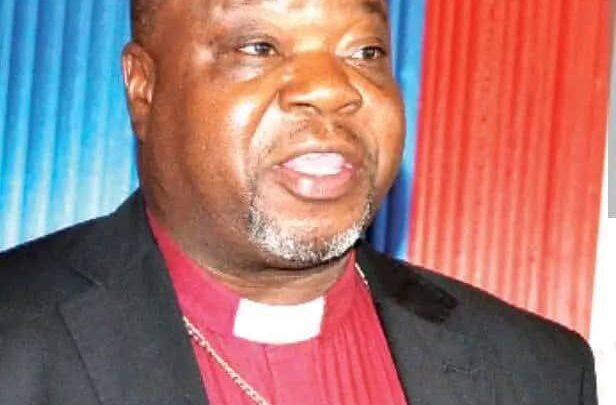
Kamwendo


However, the Malawi Conference of Catholic Bishops (MCCB), the Malawi Council of Churches (MCC), and the Muslim Association of Malawi (MAM) swiftly distanced themselves from the claims.

These religious bodies expressed shock and insisted that none of their members had received the loans, nor had they been consulted on the matter.

MCCB general secretary Valeriano Mtseka categorically stated in a WhatsApp interview that he was not aware of any Catholic priest or bishop benefiting from the scheme.

In a separate response, MCC board chairperson Reverend Billy Gama said he was equally surprised by Kamwendo’s pronouncement.

Gama, who leads a consortium of 21 Christian denominations, emphasized that his office should have been informed procedurally if clergy affiliated with MCC were beneficiaries.

He recounted being present at the service when Kamwendo made the announcement and admitted to being tempted to question him directly during the event.

“I was shocked when I heard that statement,” Gama said. “To the best of my knowledge, no one affiliated to MCC has benefitted from the said loans.”

He added that the statement sounded political and not based on facts.

Similarly, MAM publicity secretary Sheikh Dinala Chabulika said the association had conducted internal checks following the statement but had found no evidence that any Muslim cleric had received the loan.

“We have found zero,” Chabulika said bluntly, urging journalists to report the truth and challenge government officials on the issue.

In response to the backlash, Reverend Kamwendo stood by his earlier comments, explaining that the loans had initially been disbursed to “fraternal clerics” and not necessarily to those affiliated with the main religious mother bodies.

He insisted that the loan distribution was part of a pilot phase, and as such, it was not surprising that the umbrella organizations had no information.

Kamwendo suggested that the next phase of the program would involve official engagement with the religious mother bodies.

NEEF credit manager Whyghtone Mweta added another layer of explanation, confirming that the 5,300 clerics were drawn from various religious backgrounds after forming organized groups to access the funds.

According to Mweta, these clerics are engaged in diverse entrepreneurial activities ranging from grocery shops and farming to mobile money services.

He emphasized that the beneficiaries were treated as any other eligible Malawians under the Faith Leaders Empowerment Scheme.

The current controversy follows closely after NEEF’s public denial in late June 2025 of reports claiming it had disbursed K5.8 billion to 11 pastors under a purported Presidential Initiative on Sustainable Community Empowerment.

Earlier this year, NEEF announced its ambition to disburse K150 billion to at least 400,000 farmers and entrepreneurs by March 2025, in a drive to stimulate economic growth and small-scale enterprise.

Since its rebranding in 2020, NEEF claims to have disbursed K184 billion as of January 2025, reaching over 200,000 Malawians nationwide.

However, the recent confusion surrounding the clergy loans has raised fresh concerns about transparency, accountability, and political influence in the distribution of public funds.

As calls grow louder for clarity and verifiable records, many Malawians are now questioning whether the Faith Leaders Empowerment Scheme is empowering communities or simply empowering a narrative.

Tags

Related Articles

Leave a Reply

Your email address will not be published. Required fields are marked *

Close