


By Rahim Abdul
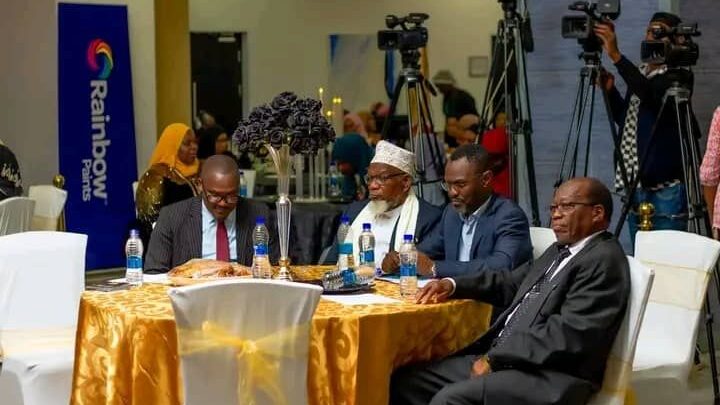
One of Malawi’s respected Muslim scholars, Dr Sherif Kaisi, has raised concern over remarks made by Minister of Local Government and Culture, Ben Phiri, during this year’s Muslim Awards Presentation Ceremony held in Blantyre.
Dr Kaisi says the comments, which focused on population growth and its impact on development, shifted attention away from the core purpose of the event, which was meant to celebrate excellence, talent and innovation among Muslim youth.
During his address at the ceremony, Minister Phiri appealed to Muslim sheikhs to play a role in controlling population growth, singling out Mangochi District as one of the areas where rapid population increase is affecting service delivery and development outcomes.
However, reacting to the remarks, Dr Kaisi described them as inappropriate for the occasion, arguing that the platform was not designed for policy lectures but for recognizing positive contributions by young people in the Muslim community.
He emphasized that such national development concerns require broader, inclusive forums where all stakeholders can engage meaningfully, rather than being raised at a religious awards function.
Dr Kaisi further expressed discomfort with the way Mangochi was portrayed, saying the remarks risked creating negative perceptions about a district that is largely associated with a particular religious and ethnic group.
According to the scholar, reference to Mangochi as overly populated does not fully align with findings from the 2018 Population and Housing Census, which, he said, place the Yao who predominantly reside in the district as the third largest tribe nationally.
He warned that statements made by senior government officials must be carefully framed to avoid unintentionally offending communities or appearing to target specific religious or ethnic groups.
Dr Kaisi also noted that development challenges such as population growth, poverty and service delivery are national issues that cut across regions and faiths, and should not be narrowed down to one district or community.
He has since called on Minister Phiri to reflect on his remarks and consider offering clarification, stressing that constructive dialogue is essential for maintaining mutual respect between government leaders and faith communities.
The incident has sparked discussion among observers on the need for sensitivity and context when addressing national issues, particularly at events meant to promote unity, inspiration and youth empowerment within religious communities.