

Columns
“If Chilima were here today…”: Imagining the Vice President’s voice in Malawi’s current turmoil

By Burnett Munthali
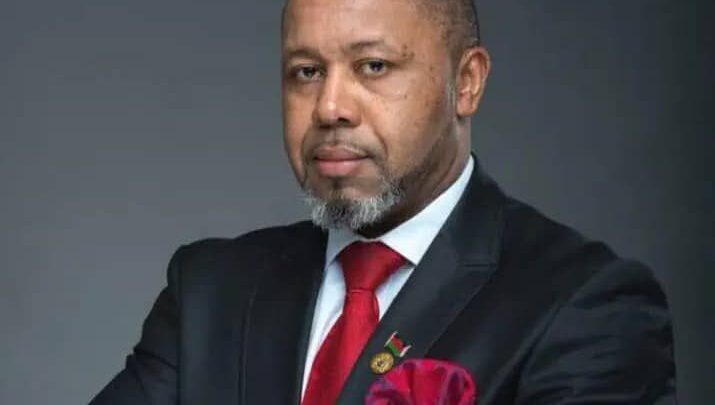
If Dr. Saulos Klaus Chilima were here today, Malawi’s political and economic landscape would feel the weight of his voice—sharp, direct, and unapologetically patriotic.
He would not remain silent in the face of fuel shortages, the kwacha’s free fall, and the increasing cost of living strangling ordinary Malawians.
He would speak clearly and passionately about accountability, as he had done before—challenging the very system he served.
If Chilima were here, he would likely stand at a podium, eyes burning with urgency, and ask Malawians whether they were being served or shortchanged by those in power.
He would remind the youth that change does not wait for permission—it is demanded, organized, and fought for.
Chilima would ask tough questions about bloated government expenditures, the controversial purchase of luxury vehicles, and the continued silence on corruption prosecutions.
He would call out the hypocrisy of preaching austerity while living in extravagance, because he always chose to align with people over comfort.
If Chilima were here today, he would visit the rural markets and urban townships, listening—not for applause—but for pain, truth, and resolve.
He would most certainly use his famed oratory to reawaken a sense of urgency among citizens and remind them that democracy is not a ritual but a right and a responsibility.
He would not sugarcoat Malawi’s challenges, but he would also offer direction, hope, and practical solutions drawn from a tech-savvy, reform-oriented mindset.
If Chilima were alive, he would likely warn against political mediocrity wrapped in recycled promises.
He would call on civil servants to do their jobs not for allowances, but for the legacy of service.
He would push for reforms to decentralize power, digitize services, and cut wasteful spending at every level of government.
If Chilima were here today, he would likely challenge President Lazarus Chakwera openly—but respectfully—because his loyalty lay with the Malawian people, not political convenience.
He would remind his fellow leaders that power is temporary but legacy is eternal.
He would caution against weaponizing justice or silencing dissenting voices under the guise of unity.
If Chilima were here, he would urge Malawians to mourn him not just with tears, but with courage to demand better.
He would call upon the Tonse Alliance to remember why it was born—to end impunity, not to repeat it.
He would stand before the youth, the unemployed graduates, the struggling farmers, the disillusioned voters, and remind them that their voices matter.
If Chilima were here today, he would not ask Malawians to wait for 2025 to speak—he would ask them to act now, peacefully but boldly.
He would remind all of us that the dream of a better Malawi was never his alone—it was, and still is, ours to fulfill.
Dr. Saulos Klaus Chilima may be gone, but if we truly listen, his voice still echoes in our conscience, our conversations, and our collective will for change.