



By Chisomo Phiri
The MHRC has called for transparency and independence in the Commission of Inquiry’s investigation into the plane crash that killed former Vice-President Saulos Chilima and eight others in Chikangawa Forest on June 10, 2024.
On Friday,Chakwera appointed a 19-member Commission of Inquiry, led by High Court Judge Jabbar Alide, to investigate the crash and submit a report by November 30, 2024.
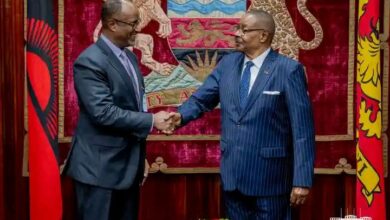
The Commission will take an oath on Monday at Kamuzu Palace in Lilongwe.
The appointment of the Commission follows calls from various stakeholders, including Chilima’s widow, Mary, for an investigation into the circumstances surrounding the crash.
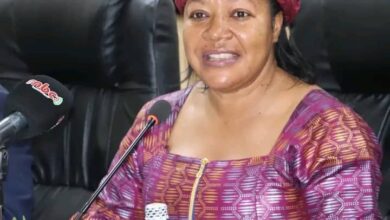
However,in a statement, MHRC chairperson Chikondi Chijozi says they expect the Commission of Inquiry to work independently and transparently to ensure credible findings.
Chijozi adds that the MHRC expects President Lazarus Chakwera to disclose the report to Malawians as soon as possible after the Commission submits it.
She says the Commission’s investigation is a crucial step in understanding the circumstances surrounding the crash and ensuring accountability.